January 7, 2026 · 6 min read
What Permaculture Teaches Us About Marketing
What chicken coops and client pipelines have in common
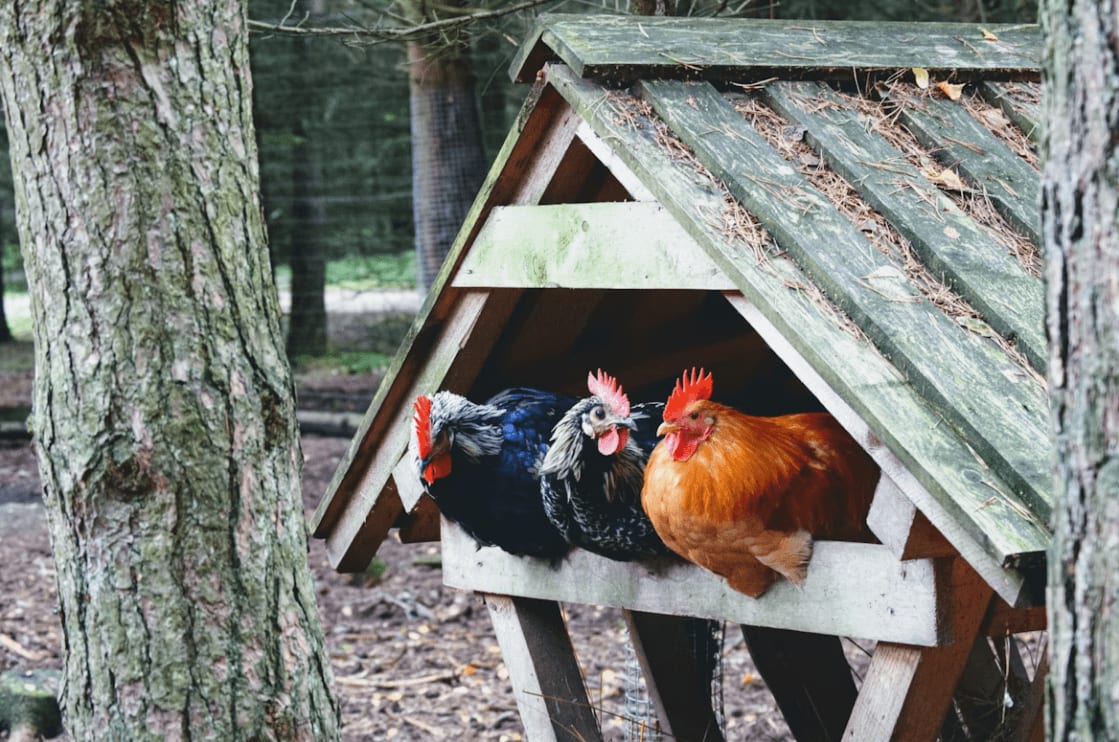
Imagine a verdant field full of tall green grass, grazing cattle, and flocks of chickens pecking at grubs. The soil is rich, the biodiversity is incredible, and the livestock are far healthier than at any factory farm. The farmer is happy because he’s making a great living, the land is happy because it gets healthier every year, and his customers are happy because they get high-quality, sustainably farmed meats.
This is Joel Salatin’s farm, and he seems to have done the impossible in the farming world. His embrace of permaculture farming and high-tech solutions like solar-powered mobile chicken coops have enabled him to strike a seemingly-magical balance among financial success, customer satisfaction, and ecological well-being. This is something that conventional factory farms can’t even approximate with their force-feeding, overcrowding, and use of growth hormones.
How did he do it? By embracing holistic values and the thoughtful use of technology to improve his productivity.
We, as conscious entrepreneurs, have a lot to learn from tech-enhanced permaculture farmers like Joel Salatin. We, too, can strike the same magical balance Salatin has found by following the same approach in our marketing and enjoy the same benefits to our own livelihood, client satisfaction, and positive impact on a world in need.
Here’s how.
First, let’s explore what many find distasteful about conventional farming and marketing, as well as their more holistic solutions.
Many find industrial farming distasteful because it optimizes volume and shelf-life over vitality. This leaves soil burnt out, livestock unhealthy, and customers depleted of nutrition. The horrors of subsistence farming are equally distasteful - who wants to scratch a living from the land and hope that the next storm doesn’t leave your family starving? These are both scarcity-based modes of farming; they take as much as possible from the land instead of working with it to boost vitality. Most farmers dislike either form of farming, but they either don’t know that that other forms even exist or mistakenly believe that they aren’t financially viable. This leaves farmers, their farms, and their customers in a depleted state.
The same dynamics exist in marketing.
“Industrial marketing” (cold email blasts, expensive ads) and “subsistence marketing” (random social media posts and relying on word of mouth with too small a network) are time-consuming, unpredictable, and soul-draining. Some of these methods can work in the short run, but many eventually leave you burnt out and disconnected, unable to reach your financial goals or give your gifts as fully as you’d like. These are both examples of scarcity-based marketing, an approach to outreach that views profit as being separate from your well-being and that of your potential customers. Many conscious entrepreneurs instinctively dislike marketing because it so often feels like selling out, manipulating, and valuing profit over people. It clashes with our deepest-held values in the same way factory farming does, and so we often use it only half-heartedly. The result is burnout, paralysis, and inconsistent income.
The solution for both farmers and entrepreneurs is the same: adopting a holistic outlook and practices. Holistic forms of farming are called regenerative farming or permaculture. Their focus is mimicking natural eco-systems to support crops, and their result is greater resilience and productivity per acre. Regenerative farms also tend to earn more money because many customers are willing to pay a premium for a higher-quality, sustainable product.
Similarly, regenerative marketing is the focus on enlivening yourself and your potential clients in every outreach effort.
Both share a core belief: that all flourishing is mutual. When the field flourishes, so does the farmer. When your potential clients flourish, so do you.
Here’s the catch: A regenerative mindset alone is not enough to quickly scale your business - otherwise, you could rely on word of mouth alone to fill your practice in the next 30 days (an unlikely possibility for anyone but the most fortunate). In reality, you will also need technology and automated systems to reach a wider audience.
But not just any technology will do. Salatin used technology not to create another factory farm, but to create solar-powered mobile chicken coops that protected his flocks without human intervention so he could focus his labor on more productive, creative tasks. His use of technology supported his regenerative practices, allowing him to scale what would otherwise be an admirable, if labor-intensive (and small), farming operation.
Many conscious entrepreneurs know this already. It’s why we use social media and paid ads to expand our reach. But playing the social media algorithm game takes months of shouting into the void before getting a steady stream of clients, and paid ads are expensive and hard to optimize. Overflow has solved this problem by not only automating the client-discovery process, but augmenting it with in-depth analysis of your values-alignment with potential clients. Like the solar-powered coops, Overflow uses technology in service of human connection. More on this later.
Comparison of Industrial, Subsistence, and Regenerative Marketing
Let’s say you’re offering a new online course. You are deciding among these three forms of marketing. Notice how your body feels as you read each one. Which seem most familiar or appealing?
Industrial Marketing. ****You buy an email list, create an email template, and blast out 1,000 messages. Over the next few days, you get a 2% response rate, and most of those are tire-kickers. After a week of answering questions and sending follow-ups, you have a handful of discovery calls, but only one client booked You feel disappointed as your group program has now become 1:1.
Subsistence Marketing. You post on social media 2x/day, spending 10+ hours per week creating videos and Canva templates for Instagram posts. You do this day after day for 6 months, and finally the algorithm starts picking up you start getting some clients. The number of clients you get is unpredictable and requires you to continually make new content. You wonder, “Is this really why I got into coaching?”
Regenerative Marketing. You spend three hours a week having real conversations with 20 aligned prospects. Because you are showing up with authenticity and to a manageable number of prospects, you feel energized, rather than depleted. Your thoughtful approach yields unexpected fruit: a 15% positive reply rate! This adds to a positive feedback loop in which you feel better, so you show up with more joy, and this attracts more clients, so you can serve them better, and so on.
With the right mindset and tools, regenerative marketing becomes possible. It keeps you from strip-mining your energy or abandoning your values as you seek a profit. It can help you build a business that becomes more abundant month after month, and year after year. Your new clients refer their friends, your reputation compounds, and marketing time decreases as your business ecosystem produces results independently.
Overflow is the world’s first outreach system based on regenerative marketing principles. It combines a holistic mindset with AI and automation to help you get visible beyond your personal network. Instead of spending 10+ scattered hours per week on social media, thousands of dollars on ads, or staying stuck in paralysis about which gross marketing tactic you should use next, you can spend 20-30 focused minutes a day and make a 10-20x ROI on your investment.
Fill your calendar without becoming someone you’re not.
Not sure? Try our free pipeline assessment to get clear on your next steps to filling your calendar.